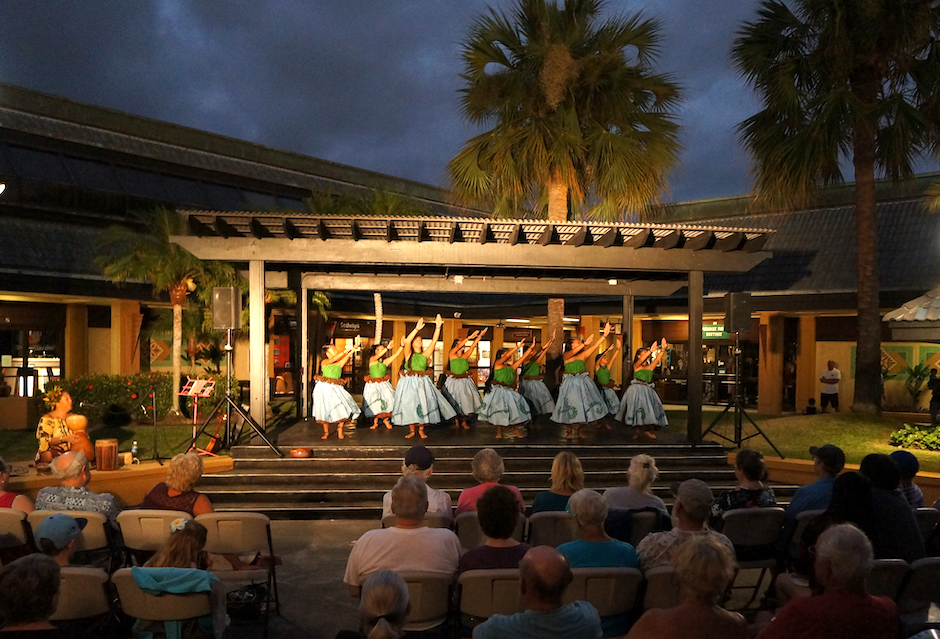
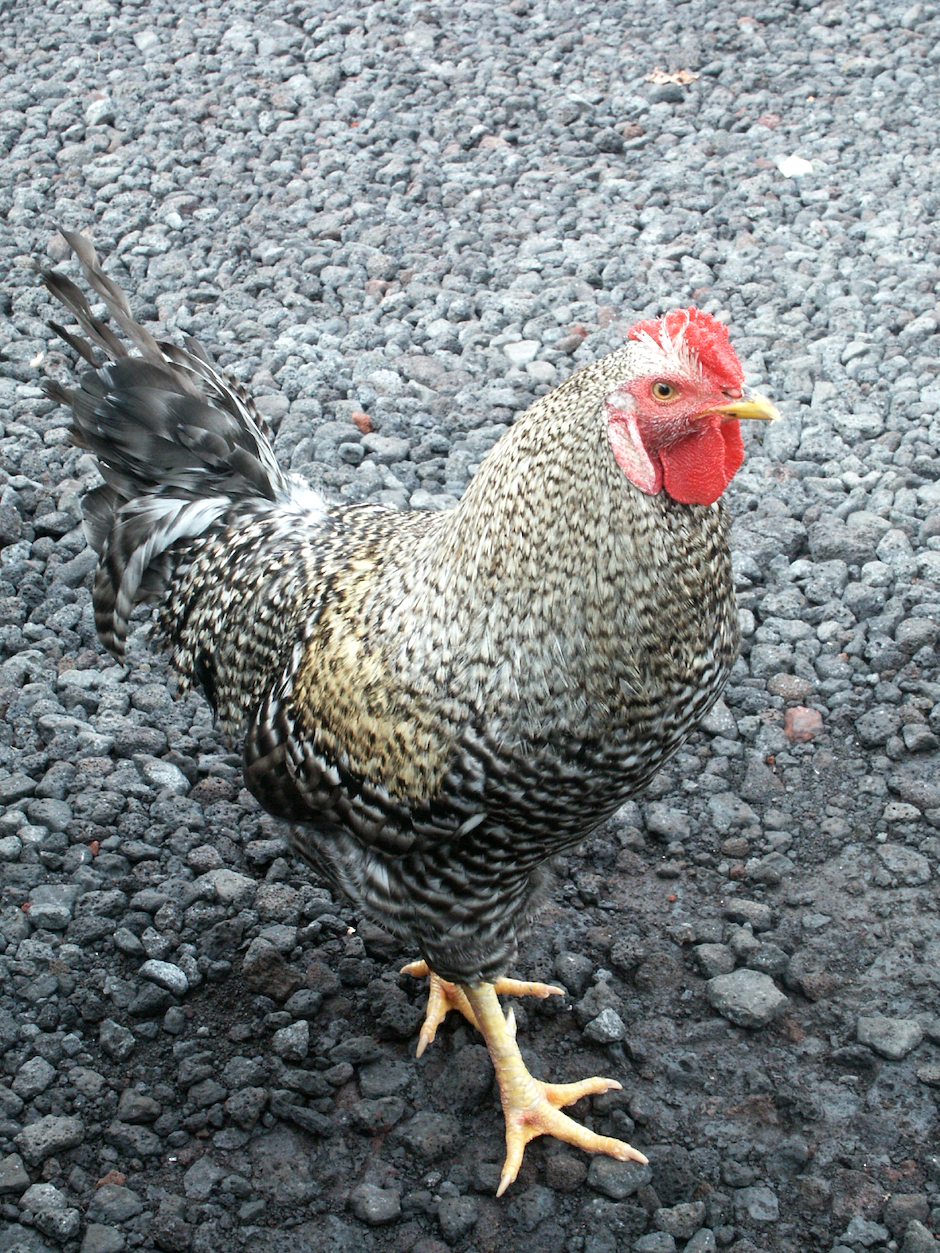
The Big Island, known as Hawai'i Island, the largest island in the Hawaiian archipelago, has volcanic deserts and lush rainforests. It feels real, like old Hawaii. You can still walk into a diner and order a Loco Moco or Spam and Eggs, see chickens walking around, or stop by a mini mall and see a performance of kids Hula Dancing.
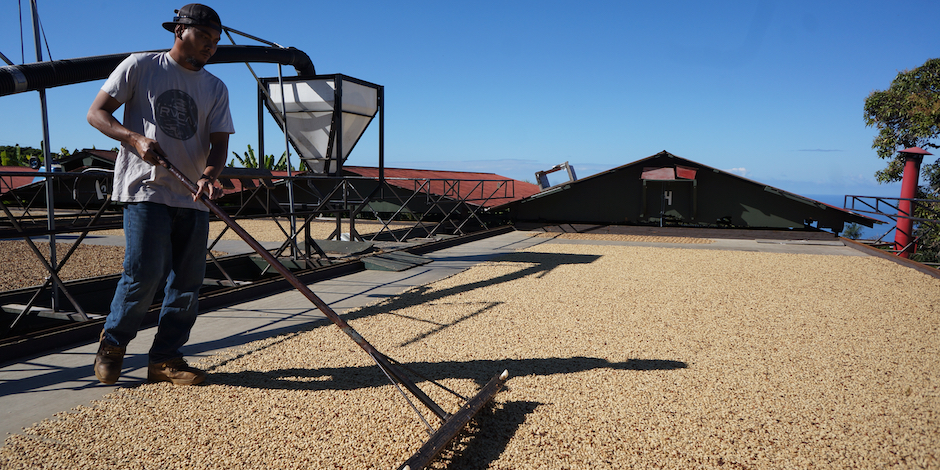
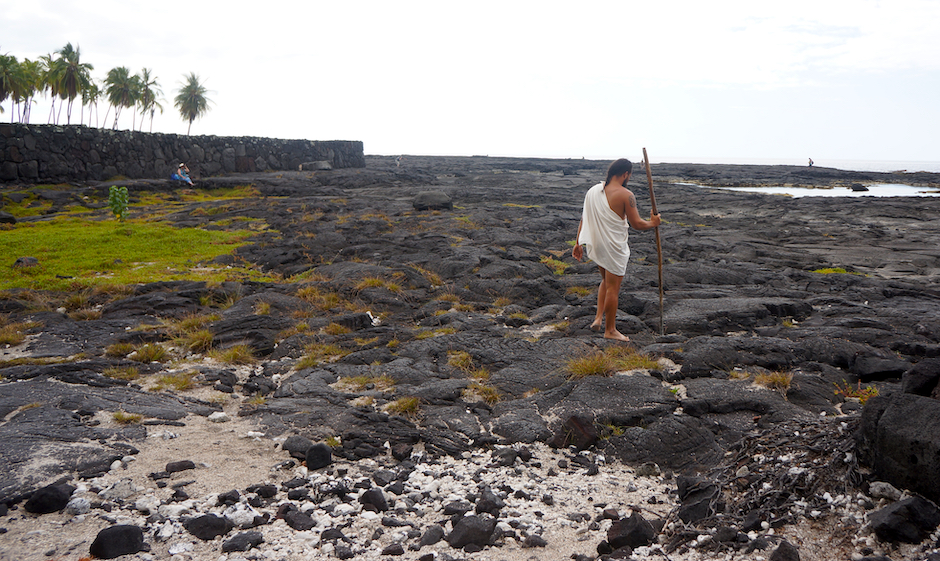
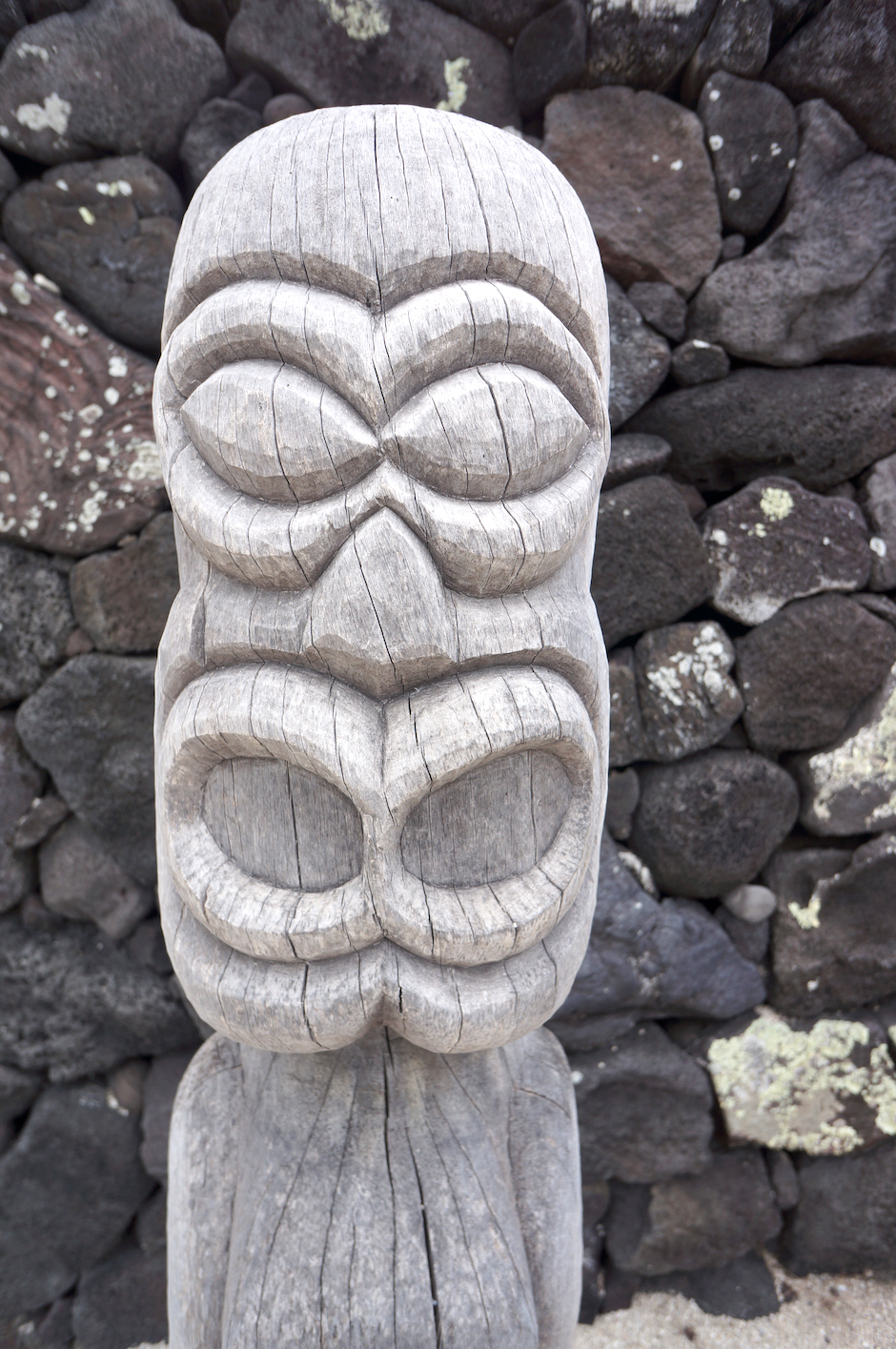
The Kona district, (the sunny side) has beautiful beaches, and Kona coffee. The region's beaches, such as Hapuna Beach and Kauna'oa Beach, have spots for swimming, snorkeling, and sunbathing. Kona is also a historical area, with sites including the Puʻuhonua o Hōnaunau National Historical Park, an ancient place of refuge, and the Captain Cook Monument, commemorating the explorer's landing. Captain Cook Inlet, also known as Kealakekua Bay, is the spot where Captain James Cook first arrived in Hawaii. The bay is a marine life conservation district, renowned for clear waters, vibrant coral reefs, and abundant marine life. It’s a popular spot for kayaking, snorkeling, and diving.
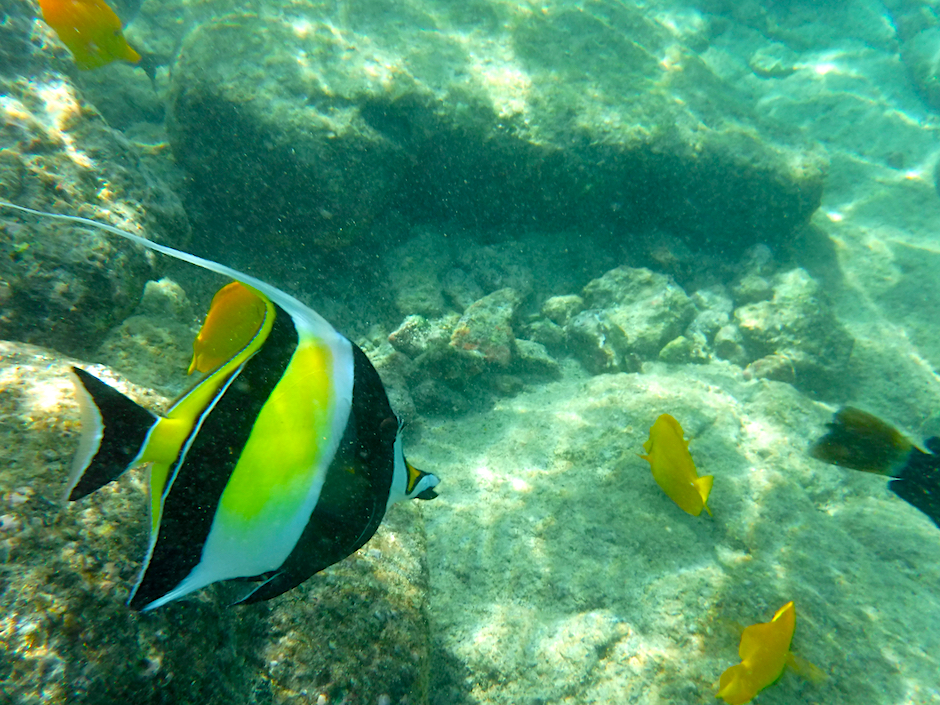
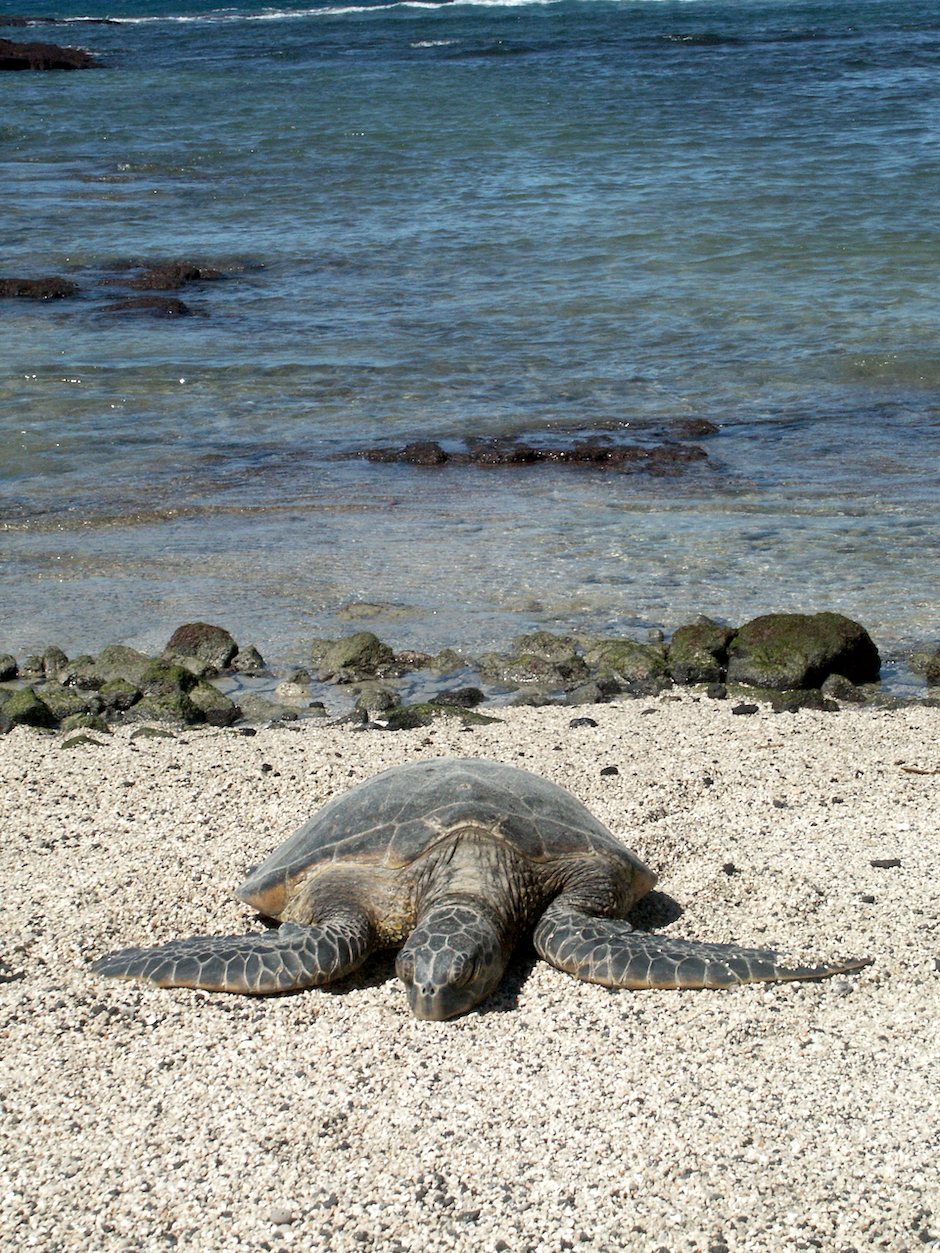
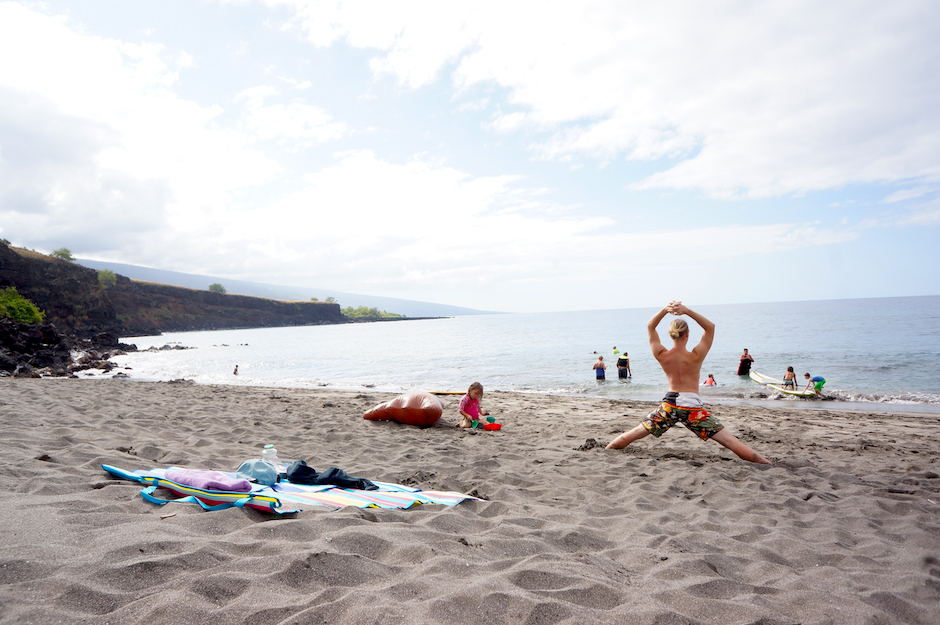
To the north of Kona, white sand beaches like Hapuna and Mauna Kea are ideal for relaxation and water activities, while the black sand beaches of Punaluʻu offer a stark contrast. These beaches are excellent spots for snorkeling and encountering marine life including sea turtles and tropical fish.
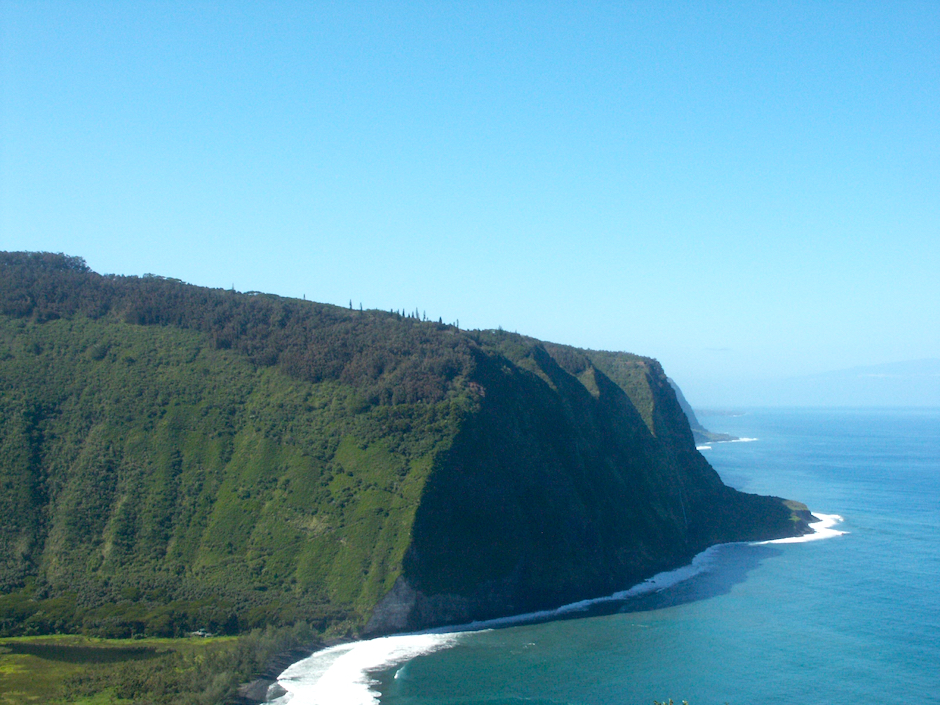
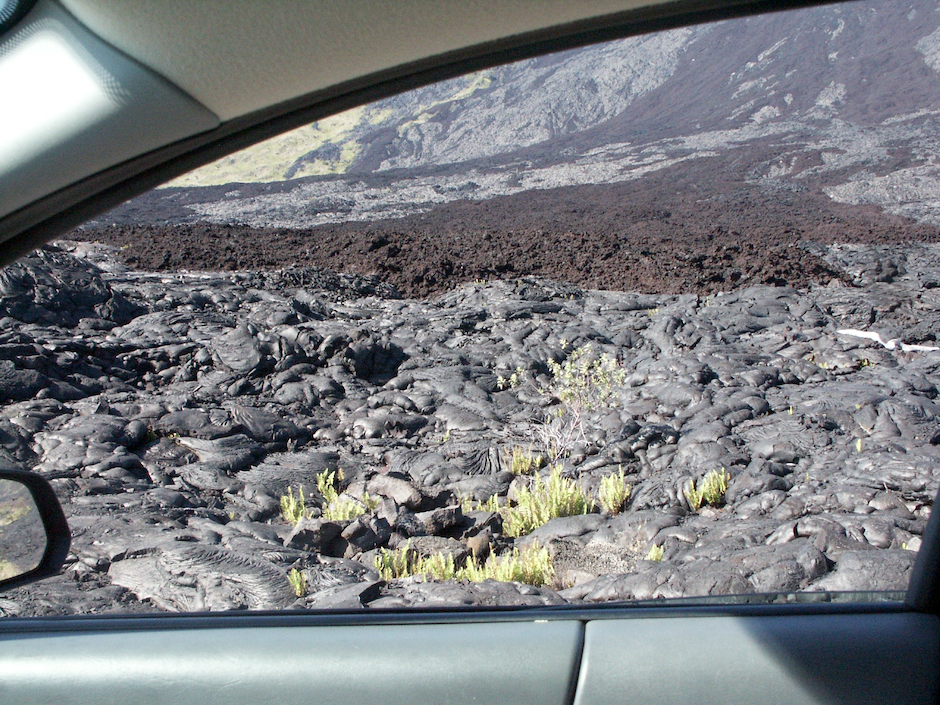
Hawaii Volcanoes National Park, home to Kilauea and Mauna Loa, two of the world's most active volcanoes. Kilauea, has continually erupted for decades, shaping the island's landscape with its flowing lava. Hikers can explore the park's vast lava fields. The Jaggar Museum and Overlook offer educational exhibits and views of the active lava lake within Halemaʻumaʻu Crater. Visitors to the Puna district can witness the dramatic effects of these lava flows, with hardened lava covering roads and reshaping the coastline.
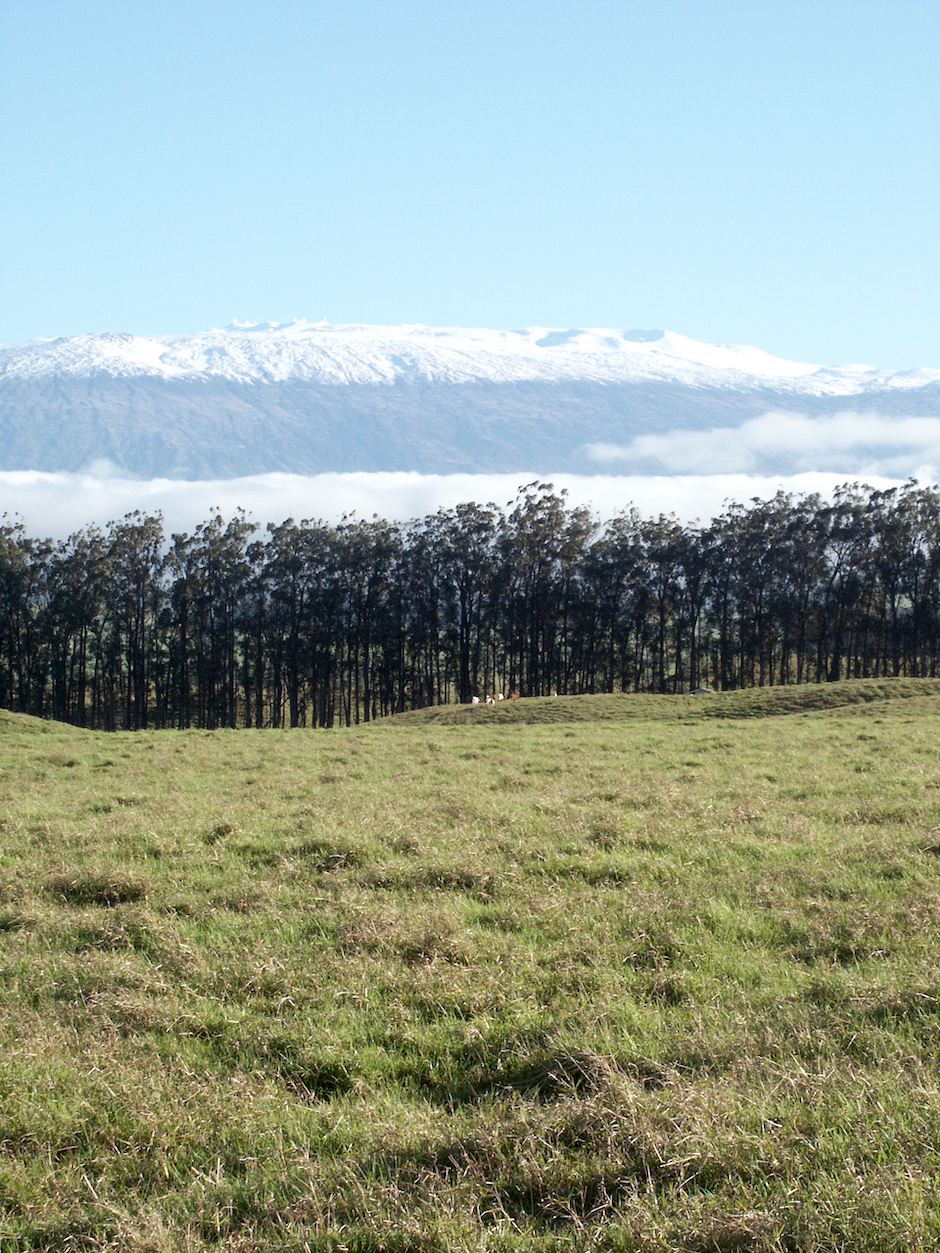
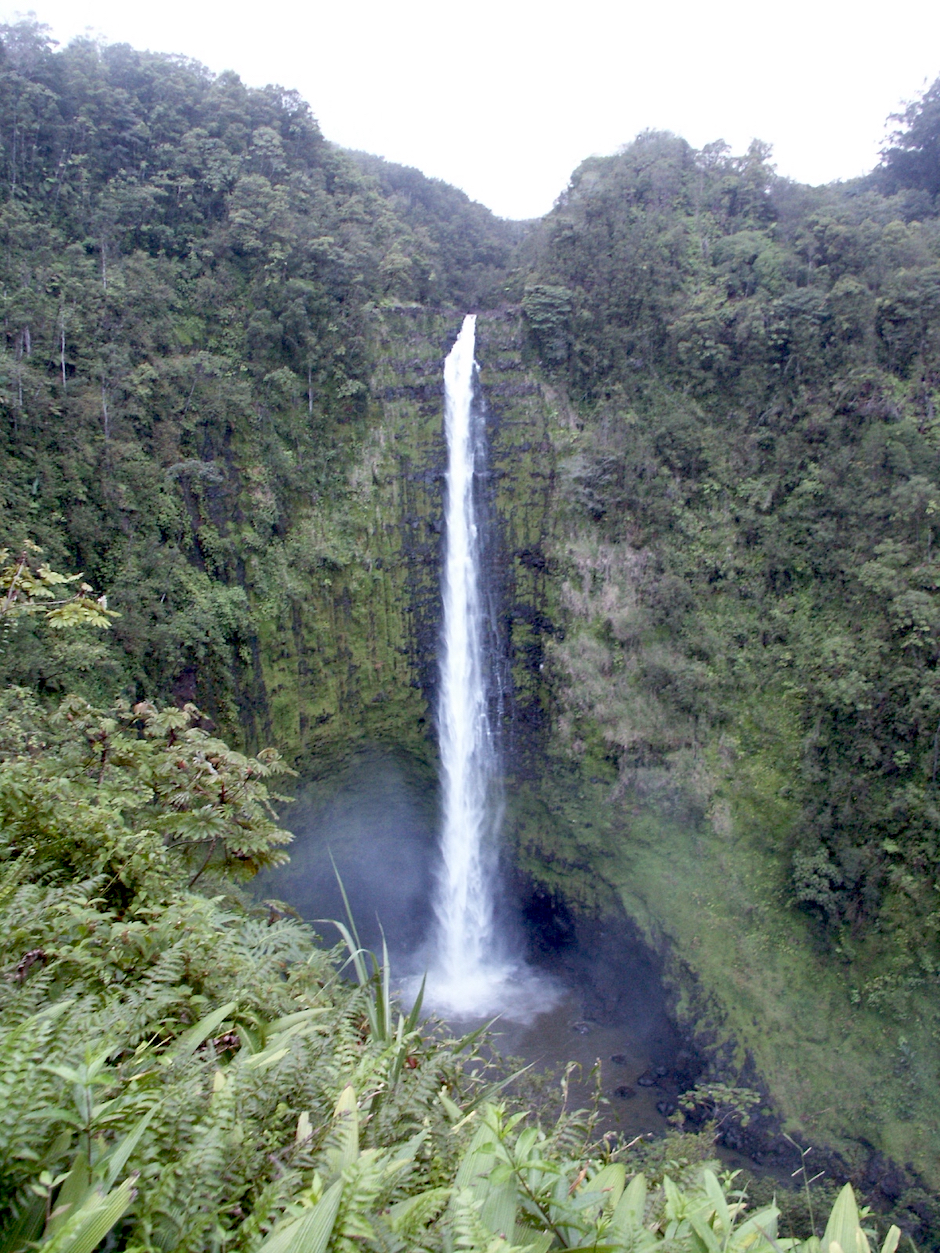
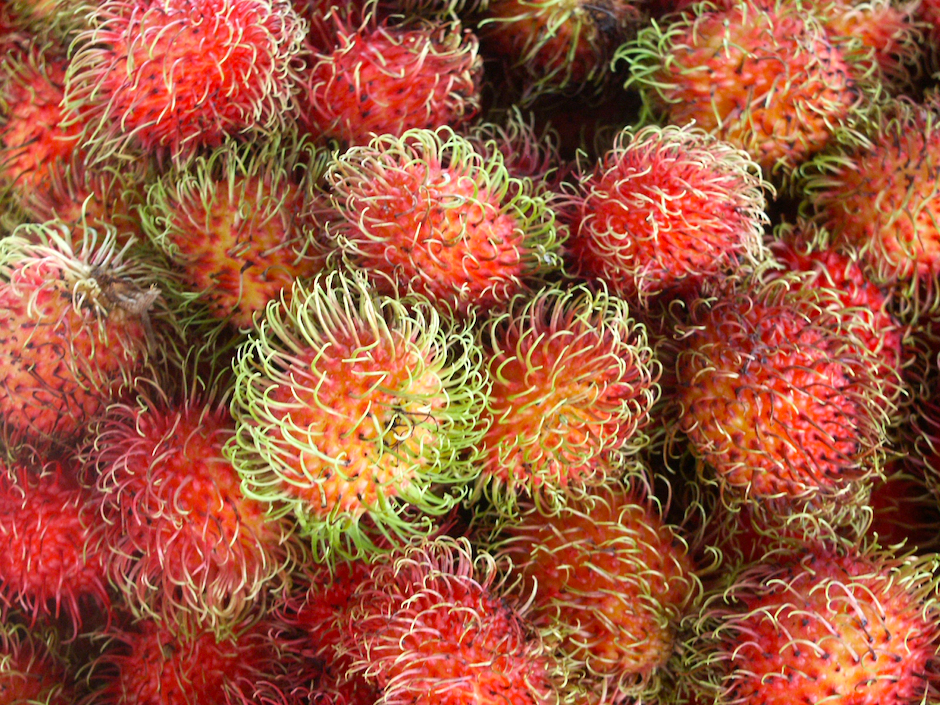
Hilo, located on the island's east coast (the wet side), is known for cascading waterfalls. The town is a gateway to natural attractions such as Rainbow Falls, Akaka Falls State Park, and the Hawaii Tropical Botanical Garden. At Hilo's farmers market, one of the largest in the state, visitors can sample local produce, flowers, and handmade crafts.
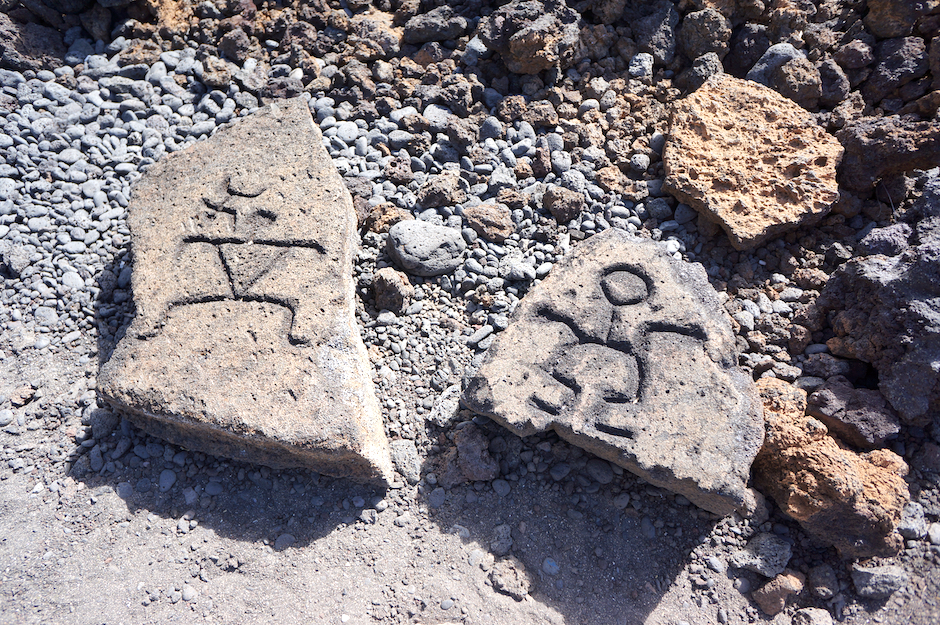
The petroglyphs (carvings in lava rock), created by early Hawaiian settlers, depict human figures, animals, and abstract patterns. They are scattered around the island, particularly those in Puakō Petroglyph Archaeological Preserve and the Waikoloa Petroglyph Field, provide a glimpse into the island's ancient history.